A chipped windshield never happens on a good day. It is usually after a long drive on I-26 behind a gravel truck, or a quick run down Gervais when construction grit pops up from a tire ahead. The chip looks small at first, a pale star in the glass. You think you can live with it. Then a chilly night, a hot morning, or a sudden bump on Bluff Road turns that star into a creeping line. That is how a simple fix becomes a full windshield replacement, and how an avoidable headache becomes an urgent appointment.
I have spent years inside the auto glass world in Columbia, both in the bay and on the curb as part of mobile teams. Preventing a chip from turning into a crack is a mix of physics, patience, and knowing when to call the right shop. The goal here is practical: preserve the structural integrity of your car, keep your camera-based safety systems in spec, and save time and money without sacrificing quality.
Why small chips turn into big cracks
Laminated windshield glass looks simple, but it is engineered. Two layers of glass bond to a clear plastic interlayer, which keeps the windshield intact in a collision and supports the vehicle’s roof strength. A chip compromises that balance.
What happens next follows a dull but relentless logic. A chip concentrates stress. Columbia’s daily temperature swings, especially spring and fall, pump heat into the glass in the afternoon and pull it out overnight. Expansion and contraction flex the damage. Add passing trucks on hardened summer asphalt, a sudden pothole near Williams-Brice, or slamming a car door with the windows up, and you feed that stress. The crack runs because glass prefers a clean break over holding irregular tension.
The shape of the chip matters too. A bullseye or half-moon can often be stabilized because the damage has a contained contour. Stars and combination breaks sprout microfractures that want to travel. Size matters as well. Most windshield chip repair in Columbia works well on damage up to a quarter in diameter or cracks up to about three inches, though adhesives and techniques have improved enough that there are exceptions. The sooner you act, the better the odds.
First steps in the first hour
A fresh chip responds to good habits. If you can, pull into shade. Avoid blasting the defroster or cold air with the fan on high. Gently cover the chip with a clear, UV-resistant film or a piece of clear packing tape, trimmed so it does not overlap a curve or wiper path. This keeps dust, water, and insect residue out of the voids. Contamination weakens the bond between resin and glass, and you only get one shot at a clean fill. Skip colored tape or duct tape. They leach adhesive and leave a cloudy stain that can compromise clarity and repair quality.
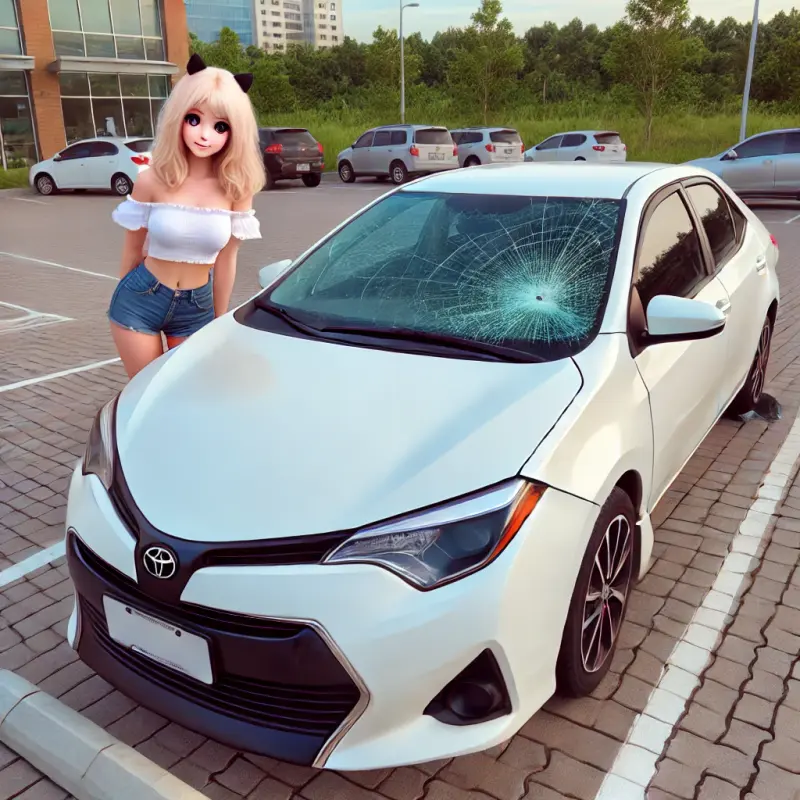
I keep a small “glass first aid” sleeve in the glove box with a couple of alcohol wipes, a few pre-cut squares of high-quality clear tape, and a microfiber cloth that has never seen fabric softener. That tiny kit has saved clients hundreds of dollars by buying them a day or two to schedule proper auto glass repair.
When repair is smart, and when replacement is safer
A capable tech can work near the edges of the glass or under the sweep of the wipers, but there are limits. If the damage intrudes into the driver’s primary field of view, some shops in Columbia decline repairs because the residual blemish, even when structurally sound, can distract at night. If the chip sits within about two inches of the outer edge, the risk of stress cracking is higher. Multiple chips that align along the same axis also nudge the decision toward replacement.
Modern vehicles complicate the equation with cameras, radar, and rain sensors embedded at the top center of the windshield. After windshield replacement Columbia drivers will often need windshield calibration, either static in-shop with targets, dynamic on the road with a factory scan tool, or both. If a repair keeps you from replacing a camera-equipped windshield, you avoid that extra step. When replacement is necessary, you want a shop fluent in calibration. It is not optional anymore if your car uses lane-keeping or automatic emergency braking.
In practice, the math works like this. A straightforward windshield chip repair Columbia typically costs a fraction of a new windshield, often in the low hundreds or less if bundled through insurance auto glass repair Columbia policies. A replacement can run several hundred to more than a thousand dollars for heated, acoustic, or camera-equipped glass, plus calibration. The best auto glass shop in Columbia will walk you through the break-even and be candid when a repair is not the responsible choice.
The anatomy of a professional chip repair
Done well, a repair returns strength to the glass and halts the crack’s growth. The cosmetic result varies. On a fresh bullseye, you might barely find the spot after the work. On a star with long legs, you will always see a faint ghost. A good technician takes time with preparation, because that is where most outcomes are decided.
The process starts with inspection. We read the break using light from different angles and a jeweler’s loupe, then map the radial legs and measure the depth. If a microcrack keeps running while we watch, we pause and use a pit tool with a diamond tip to create a tiny termination point, sometimes called a stop drill. That gives the resin a pocket to lock into.
Vacuum and pressure cycles inside a repair bridge pull air and moisture from the void and push low-viscosity resin in. The resin is matched to the damage type. Thinner resin wicks through tight star legs. Thicker resin sits inside larger pockets without collapsing or shrinking as much. On humid Columbia afternoons, we sometimes add a gentle heat cycle with a moisture evaporator tool, never a cigarette lighter or a random heat gun. Too much heat expands the air and can make a small fracture run.
Curing happens under a UV lamp with a known wavelength and intensity. Sunlight works, in theory, but it is inconsistent and can surface-cure before the deeper resin sets. After curing, we shave the excess with a razor at a shallow angle, then polish and seal the pit. A final inspection with polarized light exposes any unfilled legs. Good shops keep calibration plates and test cards to check optical distortion, which helps confirm your driver assist camera will not stare through a funhouse window.
Mobile service without compromise
Mobile auto glass repair Columbia has come a long way. A decade ago, mobile rigs were little more than a toolbox and a bottle of resin. Today, outfitted vans carry calibrated UV lights, moisture control, and bridges stable enough for windy parking lots. The keys to doing mobile work right are shade, cleanliness, and time. I have turned down repairs in direct noonday sun on black asphalt because the heat forces resin to gel prematurely. A short drive to an underground deck or a tree-lined neighborhood transforms the outcome.
Same day auto glass Columbia service is real if you call early. Schedulers prioritize chips because the risk of spread rises by the hour in extreme heat or cold. If a storm front is moving in, or a cold snap follows a record-high day, I push clients to act quickly. The speed helps, but we never cut corners on cure times. Ten extra minutes now can mean no comeback.
Insurance, deductibles, and what to ask
Many policies in South Carolina cover chip repairs with little to no out-of-pocket cost, even if your comprehensive deductible would sting for a full replacement. The logic is obvious: a low-cost repair prevents a high-cost claim. It also keeps your safety systems intact without calibration risk. When a client calls me first, I suggest they check their policy for glass endorsements or zero-deductible chip clauses. If they prefer, we handle the claim paperwork.
Ask the insurer a few pointed questions. Will a claim for a chip count against your record? Often it does not, but confirm. If replacement becomes necessary, will they authorize OEM glass, or do you have to accept an aftermarket part? On vehicles with advanced driver assistance systems, OEM or OEM-equivalent glass with the correct bracket geometry and acoustic properties matters for both fit and camera clarity. This is where the best auto glass shop in Columbia earns its reputation by sourcing correct parts, not simply cheapest parts.
Preservation strategies that actually work
There is no way to avoid every chip in a city with construction, pine cones, and hot summers. You can reduce the odds and limit the damage.
- Keep a safe distance behind gravel trucks, construction vehicles, and landscaping trailers. If you see uncovered loads or debris bouncing, change lanes or pass safely. The glass pings we hear most often start with poor load covers. Manage interior temperature changes with care. On a cold morning, warm the cabin gradually and avoid pointing the defroster at one spot on the glass at full blast. On a hot day, crack the windows a half inch before you close the doors to bleed pressure and avoid that cabin shock that flexes the glass.
Those two habits prevent more crack spreads than any gadget I have seen. The rest is simple maintenance. Replace wiper blades before they fray, so they do not slap the glass and catch on a chip. Wash the windshield with a clean mitt and a separate bucket from the paintwork, so grit does not act like sandpaper. If your daily parking spot faces east, try a sunshade. Lower surface temperatures reduce thermal stress when you start the car.
Columbia’s climate, and why timing matters here
Columbia is a city of extremes. Asphalt can hit 130 degrees under July sun, then surrender 30 degrees after an evening storm. January mornings can sit near freezing, while afternoons warm just enough to tease cracks into motion. The bridges near the river, with cold air flowing under the deck, drop glass temperatures further than surrounding roads. That differential exacerbates stress.
I have watched a two-inch crack grow to six inches between the Blossom Street bridge and a customer’s driveway, simply because the cabin heat was up and the outside air stayed cold. The driver did everything right, called for help, and we were on-site within an hour. Sometimes the only winning move is speed and care. The lesson is not to panic, but not to wait a week either. If you catch a chip early in Columbia, you are not racing the tech’s calendar so much as you are negotiating with temperature swings and humidity.
ADAS cameras and the calibration conversation
Many late-model SUVs and sedans in the Midlands rely on forward-facing cameras mounted against the windshield. If you replace the glass, you change the camera’s relationship to the road by fractions of a degree. That sounds academic until the lane-keep assist tugs your wheel late on I-20, or adaptive cruise misjudges distance at night. After windshield replacement Columbia drivers should plan for an ADAS calibration session. Static calibration uses a controlled environment with floor space, level surfaces, targets, and precision measurements. Dynamic calibration takes the car on the road through a prescribed cycle at set speeds to allow the system to relearn reality.
A good shop verifies your vehicle’s requirements through OEM service information, not guesswork. They scan for codes before and after. They provide documentation that shows completion and values within spec. If a shop tells you calibration is not needed on a camera-equipped car after replacing the windshield, consider that a red flag. This is one place not to compromise.
The local landscape: who to trust and why it matters
Columbia has plenty of options for auto glass repair. The difference shows in the details. Skilled technicians ask questions before they quote. They want to know the chip’s size and shape, the location on the glass, the vehicle’s year and trim, and whether it has acoustic or solar coating, rain sensors, or HUD. They confirm VIN to source the correct part. They own more than one type of resin and do not pretend a single bottle fixes everything.
When people ask me for the best auto glass shop in Columbia, I resist a single name because fit and service depend on your vehicle and schedule. What I do recommend is this short test. Call two shops. See which one burdens you with buzzwords versus the one who calmly walks through options, risks, and timing. Ask whether they handle insurance auto glass repair Columbia claims, whether they offer mobile service, and how they treat calibration. The right shop will explain what they can repair, what they will not, and why. That transparency is worth more than a $20 discount.
A careful repair, an easy week
One of my favorite saves was a commuter who picked up a star break on a rainy Thursday. The chip sat four inches above the wiper park on the passenger side, with three legs, the longest just under an inch. She covered it with clear tape in the parking garage, called us, and asked for mobile service at home that evening. We found residual moisture inside the legs, so we let the glass acclimate under a canopy, then used controlled heat to evaporate water. The bridge pulled stubborn air out over several vacuum cycles. We switched to a thinner resin for the two tight legs and a standard fill for the body. Under UV cure, the star faded to a faint smudge. Six months later, at a wiper blade swap, the repair looked exactly the same. That is the best review a chip repair can earn: nothing happened after.
When a crack is already running
If your crack has started to run, your tactics change. Stabilization becomes the priority. Avoid stress on the glass. Do not blast the defroster, slam doors, or hit rough roads if you can avoid them. Some cracks can be stabilized temporarily with a professional stop drill and resin injection, buying you time to schedule replacement properly. It is not a permanent solution for a long crack, but it can prevent a domino effect that turns one line into a spiderweb.
Replacement day is part logistics, part craftsmanship. A careful tech protects your paint, trims urethane evenly, and primes any exposed pinchweld to prevent corrosion. They index the old glass to the new one so the rain sensor, camera bracket, and mirror mount align correctly. They choose an OEM-approved urethane with the right safe drive-away time. If a shop lets you drive after 15 minutes on a cool day with high-viscosity adhesive, ask questions. The bond secures your airbags’ backstop and the roof’s crush strength. Patience is not optional.
Side and rear glass, and how they behave differently
Not every glass break is in the windshield. Car window replacement Columbia and rear windshield replacement Columbia follow different physics. Side windows and many rear windows use tempered glass that shatters into small cubes on impact. There is nothing to fill or repair. It is a straight replacement with attention to door panel clips, weatherstripping, and regulators. For rear glass with integrated defroster lines or antennas, a tidy install prevents electrical gremlins. Good shops test continuity, clean up deeply in the trunk or cargo area, and vacuum the window channels where tiny shards hide. I have seen glass particles turn into a squeak months later because they lodged in a felt run.
What DIY kits do well, and where they fall down
Over the counter kits have improved. For a small bullseye that you catch immediately, in perfect weather, on glass with modest curve, a kit can stabilize damage. The problem is the number of variables. Dust, humidity, resin temperature, and how the bridge seals to a curved surface all conspire against consistency. I have corrected more than a few good-intentioned DIY jobs where air remained trapped in the legs or the resin skinned over in sunlight before it penetrated. If your car carries ADAS cameras or you drive frequently at night, the margin for error grows small. The cost difference between DIY and professional repair in Columbia rarely justifies the risk.
Choosing timing before the weekend
Our call volume spikes on Friday afternoons. People want to head to the lake or upstate and noticed a chip at lunch. If you can, schedule earlier in the week. Resin cures best when we control variables, and you avoid Friday rush decisions. If Friday is your only option, prioritize repair over errands, and give yourself an hour for mobile or in-shop time. The payoff is driving to your plans without watching a crack creep while you merge on 277.
Simple, thoughtful care for high-end vehicles
Luxury vehicles and performance models bring extra considerations. Acoustic glass layers, infrared-reflective coatings, heating elements around the camera pod, and HUD projections all tighten tolerances. If you own a vehicle like a BMW X5, a Lexus LS, or a Mercedes with Distronic, insist on correct glass and documented calibration. In some cases, windshield replacement Columbia with OEM glass is the only responsible path. If a chip repair keeps you on your original glass without compromising clarity, that is a quiet win. It preserves factory optics and reduces the risk of subtle waves that cause eye strain on night drives.
A short, practical checklist before you call
- Take a photo of the chip with a coin next to it for scale, and note its location relative to the edges and driver’s view. Cover the chip with clear tape in shade, avoid drastic temperature changes, and skip car washes until after repair. Check your insurance card for glass coverage details, and have your VIN handy when you call. Ask the shop about resin types, mobile service conditions, and whether they offer calibration in-house or via a trusted partner. Schedule as soon as possible, especially before large temperature swings or a road trip.
The quiet luxury of a glass you do not think about
A perfect windshield disappears. It does not bend light at dusk, it does not shimmer under oncoming headlights, and it does not windshield replacement Columbia SC tell you stories about that gravel truck from last week. The real luxury is the absence of friction, the way the car feels whole and composed, ready to glide through a humid Columbia night or a crisp fall morning without your eyes darting to a creeping line in the glass.
Treat chips with urgency and care. Use a professional who respects the details. Lean on mobile service when it helps, and accept replacement, with proper calibration, when repair would be a compromise. The cost of doing it right is modest compared to the value of clear sightlines, quiet cabins, and the confidence that every drive begins on your terms. When people ask me what separates ordinary from excellent auto glass work in this city, I point to that feeling. You close the door, you look through the glass, and you do not think about it again. That is the goal, every time.